
What gives mould treatment a better chance of lasting
More than a quick wash
We look past the visible patch to the moisture conditions driving it.
Regrowth risk reduced
Ventilation, heating or ingress advice helps remove the reason mould returned.
Practical prep and aftercare
You get clear guidance on access before treatment and moisture control after it.
Mould usually means moisture still has the upper hand
A black patch on the wall is not always just a cleaning job. In many properties, mould keeps returning because the air is too damp, the surface is too cold, the airflow is poor or rainwater is getting where it should not. With Derbyshire Damp Services, we look at the pattern of growth and the conditions around it before deciding how to treat it. That helps us separate a one-off surface issue from a mould problem being fed by condensation or water ingress. If the cause is still active, a quick wipe will only buy you a short break before the spots return.

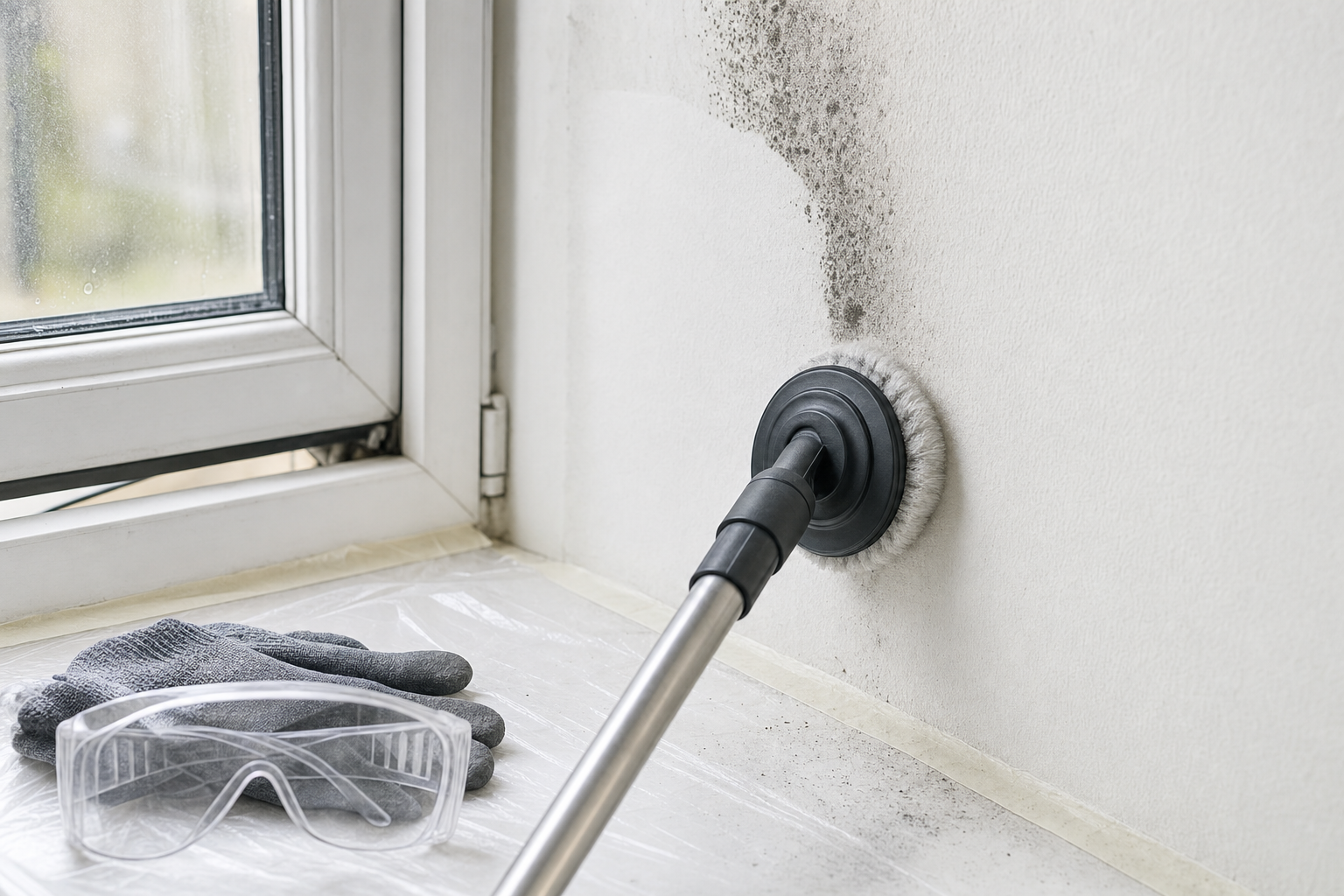
Treat the growth and change the conditions
The remedial plan depends on what we find. A treatment from Derbyshire Damp Services can involve cleaning and treating the affected surfaces, dealing with damaged finishes and setting out the ventilation, heating, thermal or ingress repairs needed to reduce the chance of regrowth. We also explain simple preparation and aftercare, such as keeping access clear and following the moisture-control advice after the work is done. Mould is unpleasant enough without repeat visits from the same patch, so the aim is to change the conditions that helped it take hold in the first place.
Frequently asked questions
Will mould just come back after cleaning?
It can if the moisture conditions stay the same. That is why we look at airflow, condensation, cold surfaces and any outside ingress before deciding the best way to treat the affected area and help reduce regrowth.
Do you need access to furniture and corners?
Yes, clear access helps us inspect the full spread of the mould and the surfaces around it. If heavy furniture is blocking the coldest wall areas, moving it before the visit can make the findings much more useful.
Can you deal with damp behind the mould?
Yes. If the mould is linked to condensation, penetrating moisture or another damp issue, we can investigate that as part of the visit and recommend the remedial work needed, rather than just treating the visible surface.