
What good waterproofing depends on
System matched to moisture route
We choose the method to suit how water is moving through the structure.
Detail work around weak points
Joints, corners and service entries get the attention they need to stay sound.
Suitable for planned space use
The final system is shaped around how the treated area will be used later.
Waterproofing only works when the structure is understood
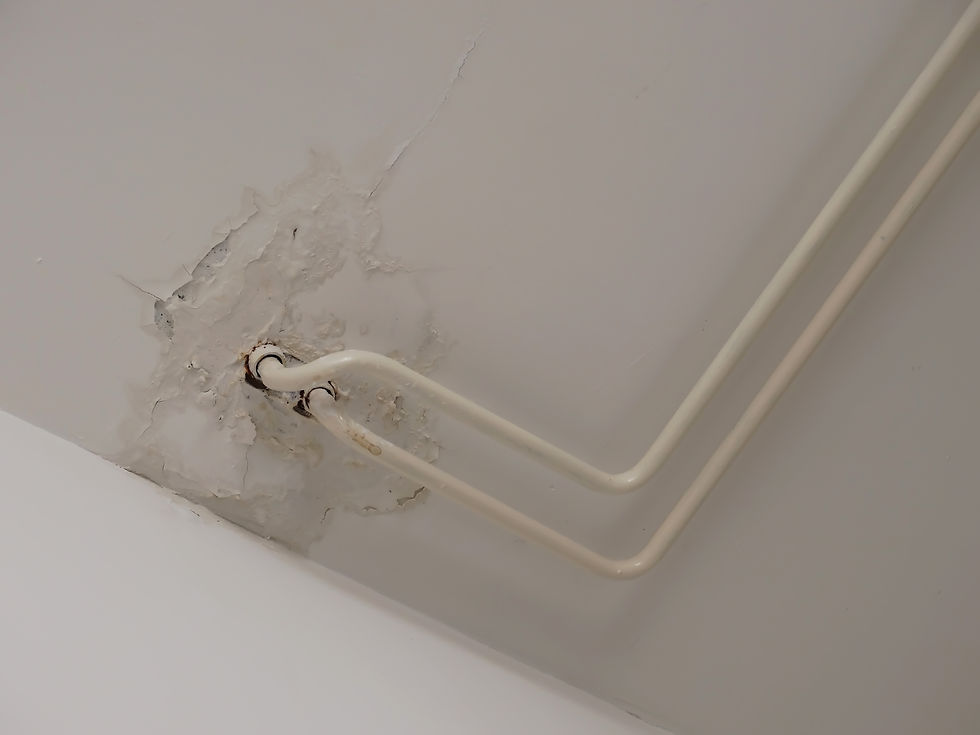
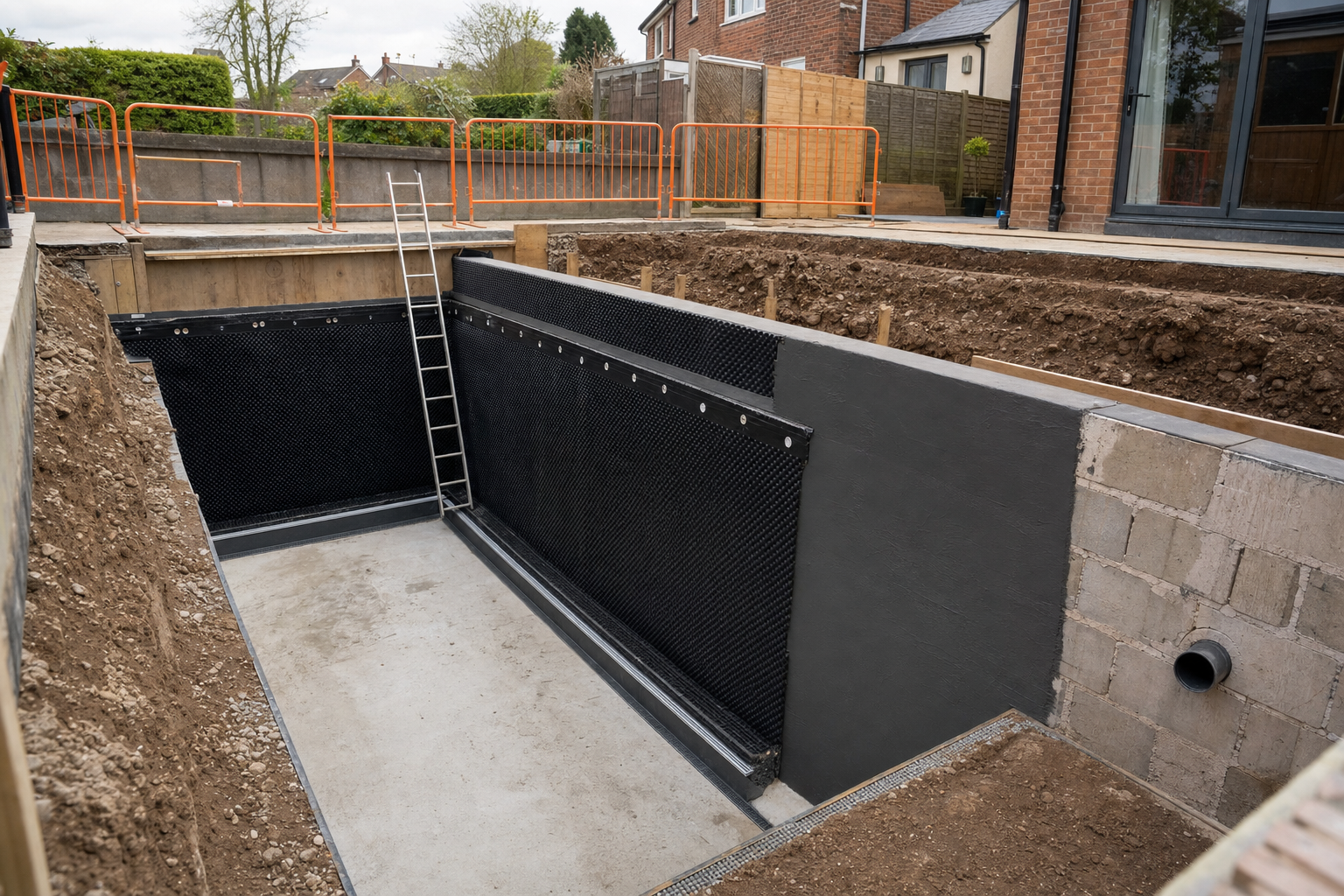
Structural waterproofing has to match the way water is entering or moving through the building fabric. Below-ground walls, moisture-exposed rooms and other vulnerable areas do not all behave in the same way, so the same system does not suit every job. With Derbyshire Damp Services, we assess the structure first. That means looking at water pressure, substrate condition, joints, service penetrations and any drainage factors that may affect performance. We also separate the roles of membranes, applied coatings and damp-proof courses, because each one is designed to manage moisture in a different way and direction.
Careful preparation makes the barrier do its job
A waterproofing specification from Derbyshire Damp Services is built around proper surface preparation, repair of defects and continuity through the whole treated area. Corners, changes in level and service entries need careful attention, because small weak points are often where larger failures begin. We also consider how the space is meant to be used once the work is complete. A coherent waterproofing system should fit the structure and the planned use of the area, not just cover a damp patch and hope for the best. Good detail work matters here as much as the main product being applied.
Frequently asked questions
What is the difference between a membrane and a coating?
A membrane forms a physical layer that controls moisture movement, while a coating is applied to the surface to create a resistant barrier. The right choice depends on the structure, the substrate and the direction of the moisture.
Do you need to inspect the structure first?
Yes. Waterproofing should never be picked straight from a shelf. We need to understand the condition of the substrate, any joints or penetrations, and the type of moisture pressure the structure is dealing with before recommending a system.
Can waterproofing be combined with other damp work?
Yes, if the survey shows linked moisture problems elsewhere in the building. Waterproofing may sit alongside damp-proofing, plaster repairs or timber-related work where the same underlying issue has affected more than one part of the property.