
What proper rain ingress repair should cover
Localised damp traced back
We track the water to its entry point before internal repairs are planned.
Timber checked nearby
Wet wall areas can affect skirtings and other timber, so we assess those too.
Mould treated with the cause
Visible growth is dealt with alongside the moisture problem feeding it.
Patchy wall marks usually start outside
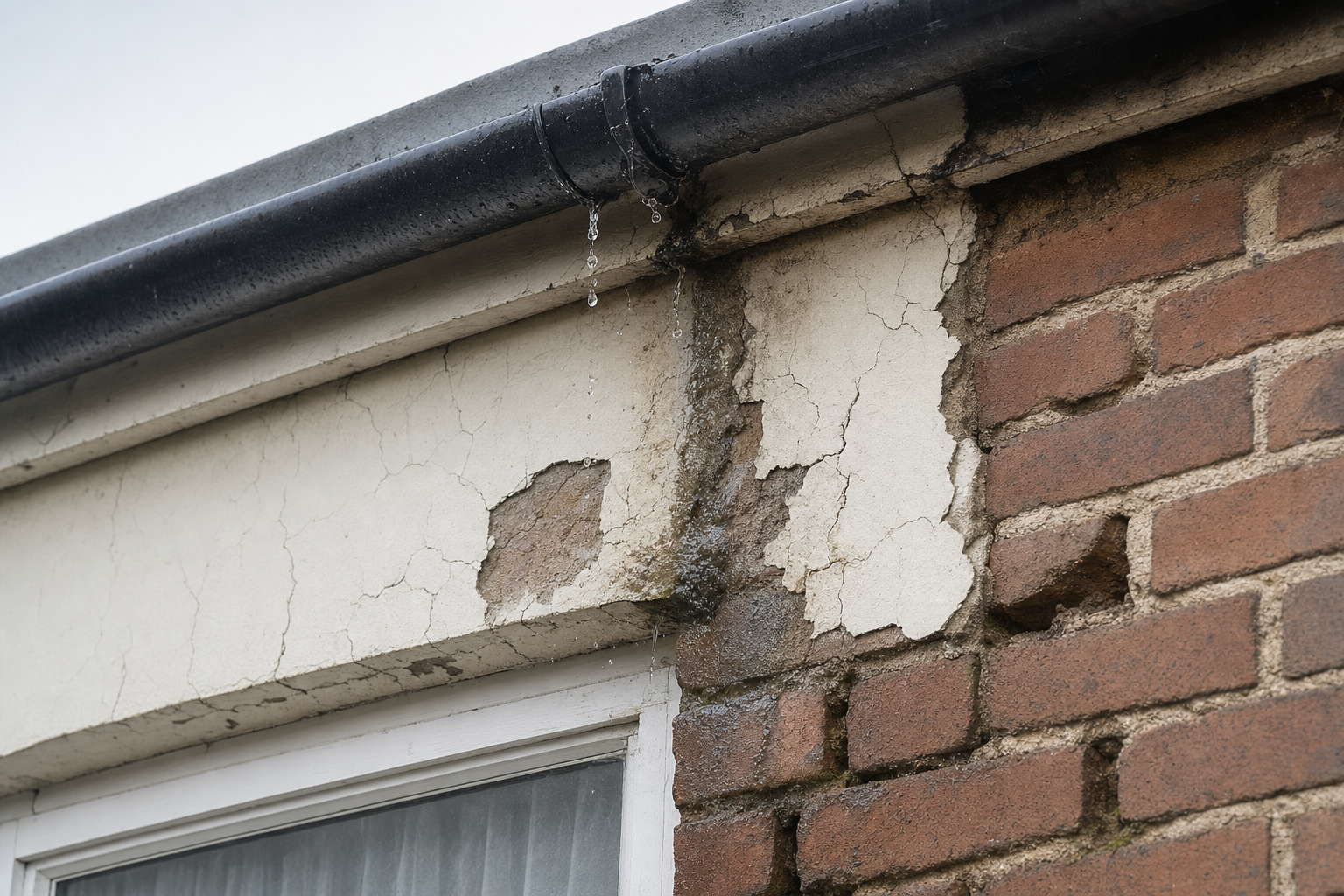
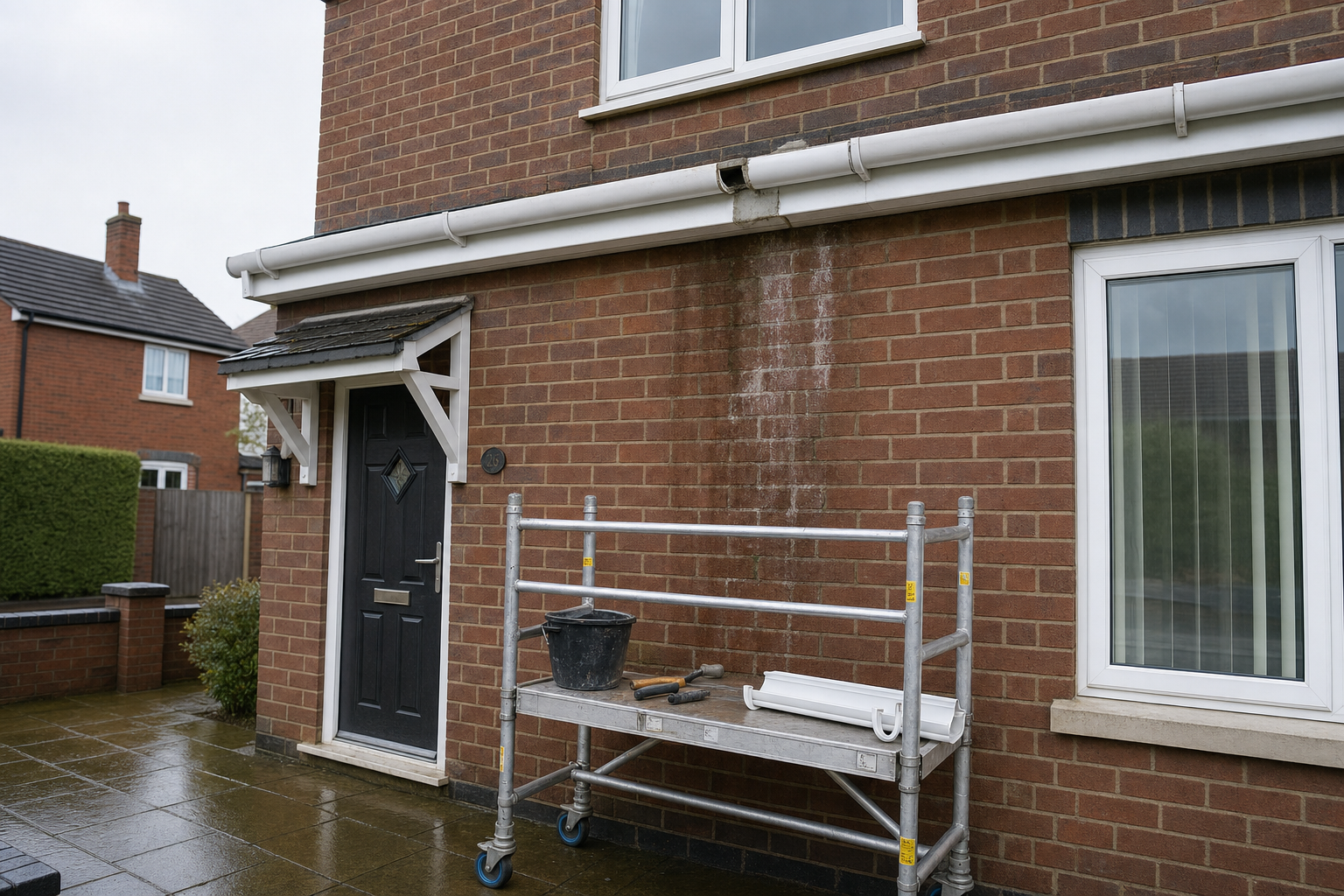
Penetrating damp tends to show up where water is getting through the building fabric, not rising from below. You may notice a localised patch that worsens after rain, staining higher on a wall, damaged finishes or damp around a chimney breast or window reveal. With Derbyshire Damp Services, we look for the route the water is taking, which may involve defective pointing, damaged render, leaking gutters or other outside faults. That matters because there is little point repairing the inside if the same rainwater can walk straight back in next week.
Fix the entry point, then repair the damage
Once the source is identified, the treatment plan is built around correcting that defect first. A remedial job from Derbyshire Damp Services may then involve removing affected plaster, allowing the area to dry and reinstating with a damp-resistant plaster system where needed. If nearby timber has been exposed to prolonged wetting, we assess its condition and decide whether it can be treated or needs replacement. We can also clean and treat mould linked to the ingress, while explaining the steps needed to help the fabric dry out properly.
Frequently asked questions
How is penetrating damp different from rising damp?
Penetrating damp usually appears as local patches, often higher on the wall or worse after rain, because water is entering from outside. Rising damp follows a lower pattern and comes up through masonry from the ground.
Do you repair plaster after stopping the leak?
If the internal finish has been damaged, we can remove affected plaster and reinstate the area with materials suited to the remedial work. We first need to stop the water getting in, or the fresh finish will simply fail again.
Can damaged timber be checked at the same time?
Yes. Where penetrating damp has been wetting skirtings, joist ends or other nearby timber, we inspect the condition and explain whether treatment, drying or replacement is the sensible next step.